 Гранд Лоджистік Компані
 02.09.2026
 7 min
Freight transportation is an essential part of trade, manufacturing, and supply chains. Every day, goods, raw materials, equipment, construction materials, finished products, and other types of cargo are transported between cities and countries.
At first glance, delivery may seem simple: load the goods onto a truck and transport them to the required address. In reality, efficient freight transportation consists of several stages — from choosing the right vehicle and planning the route to preparing documents and monitoring the delivery process.
Proper logistics planning helps avoid unnecessary costs, delays, and cargo damage.
In this article, we will look at the main types of freight transportation, how to choose the right vehicle, what needs to be considered before shipment, and what factors affect the cost of delivery.
What Is Freight Transportation?
Freight transportation is the process of transporting goods, materials, equipment, and other types of cargo from the sender to the recipient.
Transportation is not limited to the movement of a truck. Organizing a delivery may also include vehicle selection, route planning, loading and unloading, document preparation, cargo securing, and monitoring throughout the transportation process.
That is why successful freight transportation begins well before the vehicle arrives for loading.
What Types of Freight Transportation Are There?
Freight transportation can be classified according to the route, cargo volume, delivery method, and cargo characteristics.
Domestic Freight Transportation
Domestic freight transportation takes place between cities and regions within Ukraine.
This may include deliveries:
- from a manufacturer to a warehouse;
- between warehouses;
- from a supplier to a store;
- to a manufacturing facility;
- directly to the customer.
The cost and delivery time depend on the distance, cargo characteristics, vehicle type, and route conditions.
International Freight Transportation
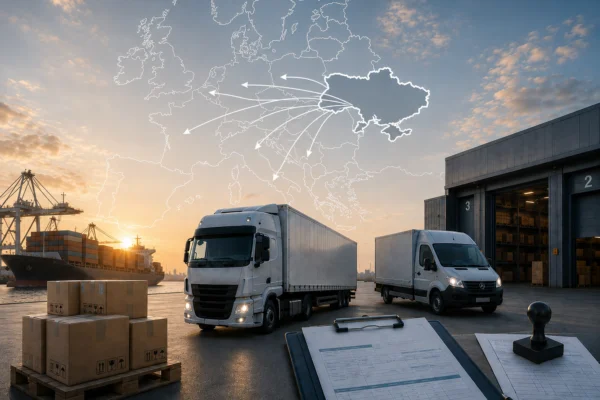
International freight transportation involves delivering cargo across national borders. For Ukrainian businesses, transportation between Ukraine and European countries is one of the key directions.
In this case, it is necessary to consider not only the route and vehicle but also customs procedures, international regulations, and accompanying documents.
Ukraine has a separate regulatory framework and international agreements governing international road freight transportation, so the specific requirements should be checked depending on the route.
FTL — Full Truckload Transportation
FTL (Full Truckload) is a transportation format in which the entire truck is used for a single shipment.
It is suitable when:
- the cargo occupies a significant part of the vehicle;
- direct delivery is required;
- it is important to minimize the number of transshipments;
- a specific delivery time needs to be met.
LTL — Less Than Truckload Transportation
LTL (Less Than Truckload) is used when the cargo does not require the entire truck.
In this case, shipments from different customers can be transported in the same vehicle. For smaller volumes, this can be a more cost-effective solution than booking an entire truck.
How to Choose the Right Vehicle
The choice of vehicle depends not only on the weight of the cargo. Its volume, dimensions, packaging, and any special transportation requirements must also be taken into account.
Tautliner Truck
A tautliner truck is a versatile option for most standard types of cargo.
It can be used to transport pallets, boxes, equipment, construction materials, and industrial goods that do not require special temperature conditions.
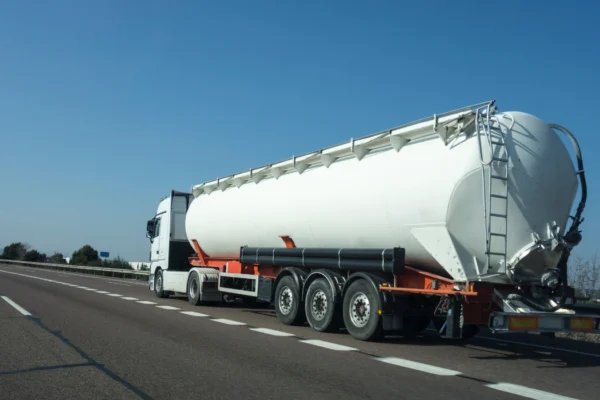
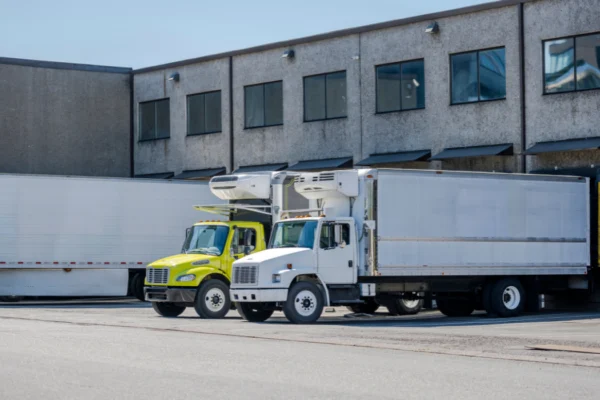
Refrigerated Truck
Refrigerated trucks are used for cargo that must be transported within a specific temperature range.
This may include food products, pharmaceutical goods, and other temperature-sensitive products.
Insulated Truck
An insulated cargo body provides thermal insulation and helps maintain stable conditions inside the cargo compartment.
The choice between an insulated truck and a refrigerated vehicle depends on the specific requirements of the cargo.
Specialized Transportation
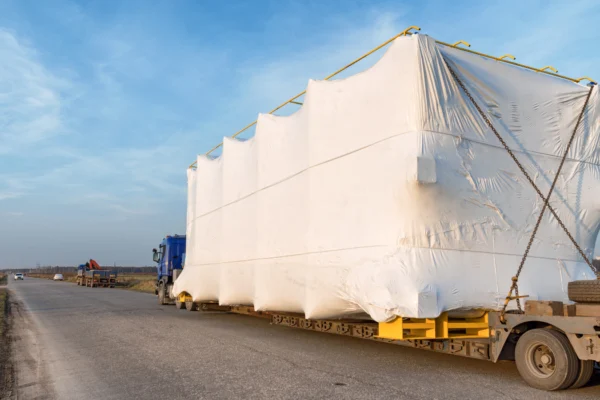
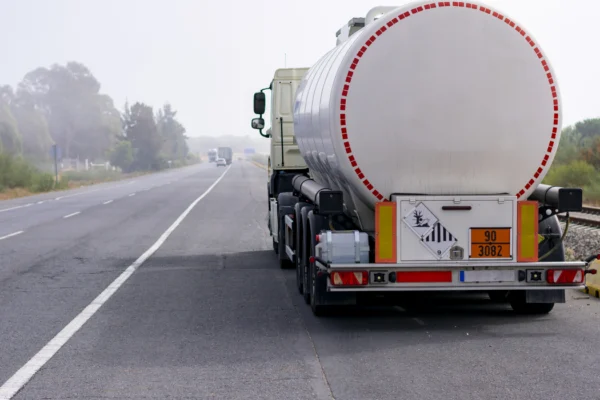
Oversized, heavy, or non-standard cargo may require specialized transportation.
In such cases, it is important to determine the exact weight and dimensions of the cargo in advance, as well as the loading and unloading method and the specifics of the route.
How to Organize Freight Transportation
To ensure that delivery runs smoothly, it should be properly planned before loading begins.
1. Determine the Cargo Characteristics
You need to know:
- what exactly is being transported;
- total weight;
- volume;
- number of packages or pallets;
- dimensions;
- type of packaging;
- special characteristics;
- temperature requirements.
The more accurate this information is, the easier it is to select the appropriate vehicle.
2. Determine the Route
The loading point and delivery address must be clearly defined.
For international transportation, it is also necessary to consider border crossing, customs procedures, the requirements of the countries along the route, and the required documents.
3. Prepare the Cargo
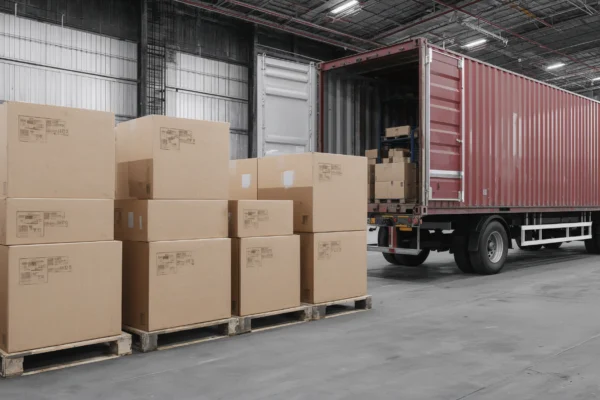
Packaging must correspond to the characteristics of the goods and protect them during transportation.
Fragile cargo requires additional protection, while palletized goods must be properly positioned and secured.
4. Prepare the Documents
The required documents depend on the type of transportation and the characteristics of the cargo.
For international road freight transportation, the CMR international consignment note is used, among other documents. Depending on the route and type of goods, customs and other accompanying documents may also be required.
5. Load the Cargo Properly
It is important to distribute the weight correctly and ensure reliable cargo securing.
Improper positioning can result in cargo shifting or damage during transportation.
6. Monitor the Delivery
After departure, the route and agreed delivery times should be monitored.
This is especially important for businesses, as delivery delays can affect warehouse operations, manufacturing, or retail activities.
What Determines the Cost of Freight Transportation?
Freight transportation costs are calculated individually. Even two shipments between the same cities may have different prices.
The cost is affected by:
- Distance. The length of the route directly affects the costs associated with completing the trip.
- Weight and volume. Weight determines the required payload capacity, while volume determines how much space is needed in the cargo compartment.
- Type of vehicle. Tautliners, refrigerated trucks, and specialized vehicles have different operating characteristics and costs.
- Cargo characteristics. Special transportation requirements may affect the final price.
- Transportation format. FTL and LTL have different organization and pricing principles.
- Route. International transportation may involve additional procedures and costs.
- Additional services. Loading, unloading, packaging, warehousing, customs clearance support, or insurance may affect the total cost.
Therefore, accurate pricing requires complete information about the cargo and the route.
Common Mistakes When Organizing Freight Transportation
Even a small inaccuracy during the planning stage can create problems during delivery.
Incorrect Weight or Volume
If the actual cargo characteristics differ from the information provided, the selected vehicle may not be suitable.
Missing Accurate Dimensions
This is particularly important for long, tall, or non-standard cargo.
Incorrect Vehicle Type
Not every type of cargo can be transported in a standard tautliner. Some goods require temperature control or special transportation conditions.
Insufficient Cargo Securing
Cargo that can move during transportation requires appropriate securing equipment.
Incomplete Documentation
For international transportation, missing documents may result in delays.
Unrealistic Delivery Deadlines
If no time buffer is included in the schedule, even a minor unexpected delay can affect the final delivery time.
What Information Is Needed to Calculate a Shipment?
To quickly determine the optimal delivery option, it is enough to prepare the following basic information:
- Route — where the cargo needs to be picked up and delivered.
- Cargo type — what exactly is being transported.
- Weight — total cargo weight.
- Volume — number of cubic meters.
- Number of packages or pallets.
- Dimensions — especially for non-standard cargo.
- Loading date.
- Special requirements — temperature control, special packaging, etc.
- Loading and unloading conditions.
For international transportation, it is also necessary to provide the country of origin, destination country, and information about the documents accompanying the goods.
How to Reduce Freight Transportation Costs
Cost optimization starts with proper planning rather than simply looking for the cheapest rate.
Choose the Right Transportation Format
For a small shipment, LTL transportation may be more cost-effective, while larger volumes may be better suited to FTL.
Choose the Right Vehicle
An unnecessarily large vehicle can increase costs without providing any practical benefit.
Plan Delivery in Advance
Booking transportation in advance allows logistics to be planned more efficiently and reduces the need for urgent delivery arrangements.
Provide Accurate Information
Accurate information about weight, volume, and dimensions makes it easier to select the right vehicle from the start and avoid additional costs.
Conclusion
Freight transportation is a complex process that depends on cargo characteristics, vehicle type, route, loading method, documentation, and delivery time.
LTL can be suitable for smaller shipments, while FTL is often more appropriate for larger volumes. Standard goods can generally be transported using tautliner trucks, while cargo with special requirements may require specialized vehicles.
The more accurately the delivery is planned at the initial stage, the easier it is to select the right vehicle, calculate the cost, and avoid unexpected problems.
And if you want to be sure that your logistics are under control, Grand Logistics Company can help you choose the optimal transportation format, organize the delivery, and handle all your logistics needs.
2.